UN Declaration Sparks Debate on Truth, History and Reparations
A GLOBAL reckoning over the transatlantic slave trade is gathering momentum, with Ghana emerging as a leading voice in the call for justice and reparations.
A recent United Nations resolution describing slavery as the “gravest crime against humanity” has reignited worldwide reflection and debate.
At the centre is President John Dramani Mahama, whose advocacy has positioned Ghana at the forefront of the reparations movement.
But the conversation has not been without complexity.
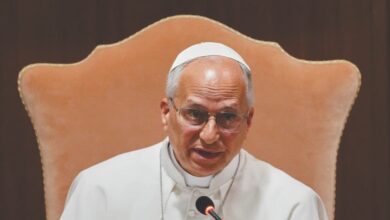
The Holy See, through Archbishop Gabriele Giordano Caccia, has cautioned against what it calls a “partial narrative”, urging that the history of slavery be told in its full context.
The Catholic Church has long condemned slavery, yet acknowledges the need for honest reflection on its historical role. Early voices within the Church, including Pope Paul III and reformers like Bartolomé de las Casas, defended human dignity even in difficult times.
For Ghana, the issue is deeply personal. As a key departure point during the slave trade, the nation carries both memory and moral responsibility.
The reparations agenda, advocates say, is not only about compensation—but about dignity, healing, and historical justice.
As the debate continues, one truth remains clear: the story of slavery is not just history—it is a living legacy demanding truth, justice, and reconciliation.